
Watch as Canadian Wildlife Service biologists band black ducks on Grand Manan Island in the Bay of Fundy in a continuing effort to monitor migration habits.
The black duck is found throughout eastern parts of Canada and the United States. They breed in the north-eastern U.S. and eastern Canada. The species winters in eastern coastal areas of the U.S. and in open water along the Great Lakes.
Long-running surveys of the mid-winter black duck population showed a drastic decline in the population between 1955 and 1983. A number of factors are believed to have contributed to the decline including high harvest levels and changes in the quality and quantity of habitat on both the breeding and wintering grounds. Another contributing factor may be the interaction between the black duck and its close relative the mallard.
The decline in black duck numbers led to the creation of the Black Duck Joint Venture, an international program aimed at restoring the black duck population. Since the program’s inception and the implementation of more restrictive harvest regulations in 1980s, the population has stabilized and has recovered in some areas.
Interesting facts:
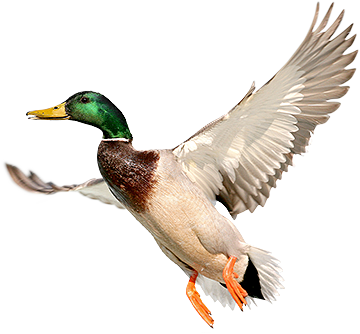
Prior to the 1930s, the mallard was a rare visitor to eastern North America; however, the species ranges now overlap. In areas where both species are found, the ducks interbreed and compete for resources. The effect of the interbreeding on the black duck population is not well understood, but the mallard-like appearance of the offspring suggests that mallards are dominant in the hybridization.
Help make sure future generations can experience the miracle of migration.
Donate online today to help us Rescue Our Wetlands

0 comments – join the conversation!