
Most of the bird species found in Canada—around 90 per cent of them—do not spend the winter here.
They migrate farther south, anywhere from the southern United States to the southernmost tip of South America.
Bird migration is awesome. It’s nature’s version of rush hour. And yes, there’s a lot of honking. Traffic is steady when millions of birds are on the move. There’s no GPS guiding these journeys… just straight up intuition hardwired by ancient instincts.
Many species regularly use certain routes. These routes are called flyways. Think of them as nature’s superhighways. These flyways have been best described for waterfowl. One species may use several flyways depending on how widespread the different populations are.
There are four main waterfowl flyways. Which one do you live in?
Pacific Flyway
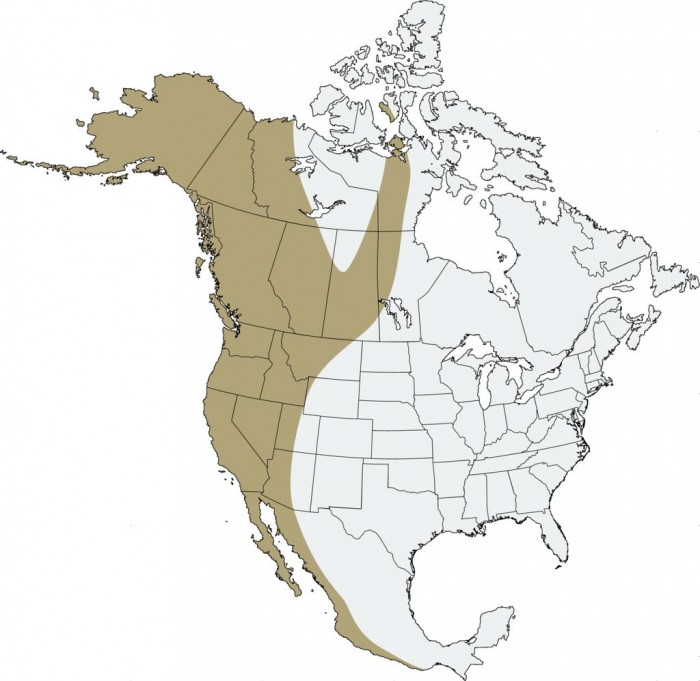
Used by:
- Ross’s goose
- Northern pintail
- American wigeon
- Mallard
- Northern shoveler
- Lesser scaup
- Canada goose
- White-fronted goose
Central Flyway
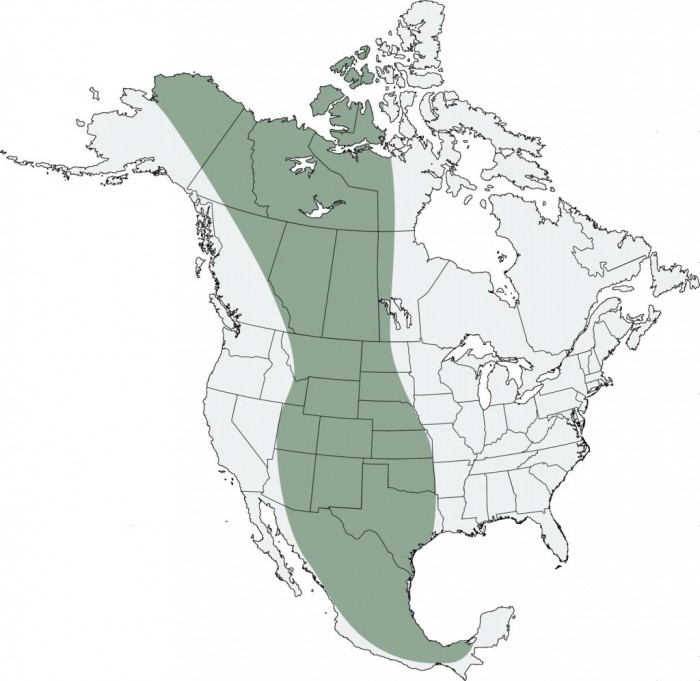
Used by:
- Mallard
- Northern pintail
- Blue-winged teal
- Green-winged teal
- Canvasback
- Lesser scaup
- Canada goose
Mississippi Flyway
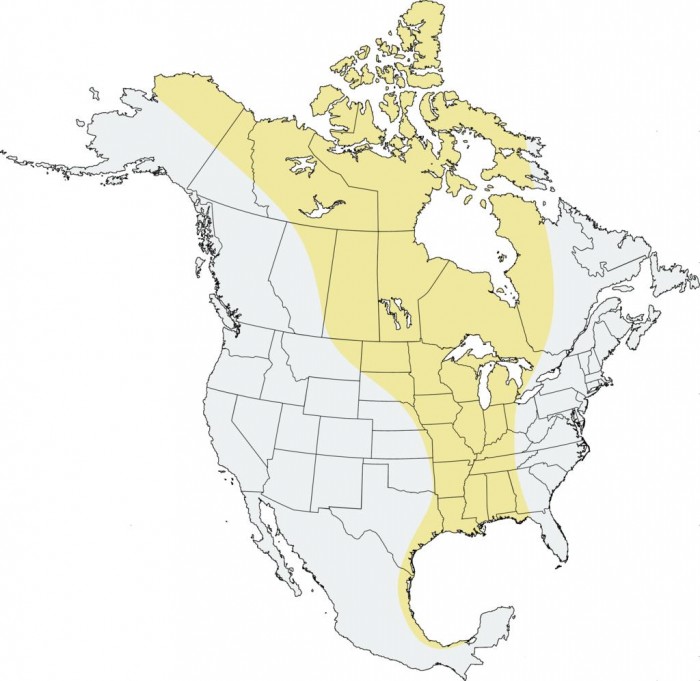
Used by:
- Mallard
- Snow goose
- Canada goose
- Northern pintail
- American wigeon
- Gadwall
- Blue-winged teal
- Green-winged teal
- Ring-necked duck
- Lesser scaup
Atlantic Flyway
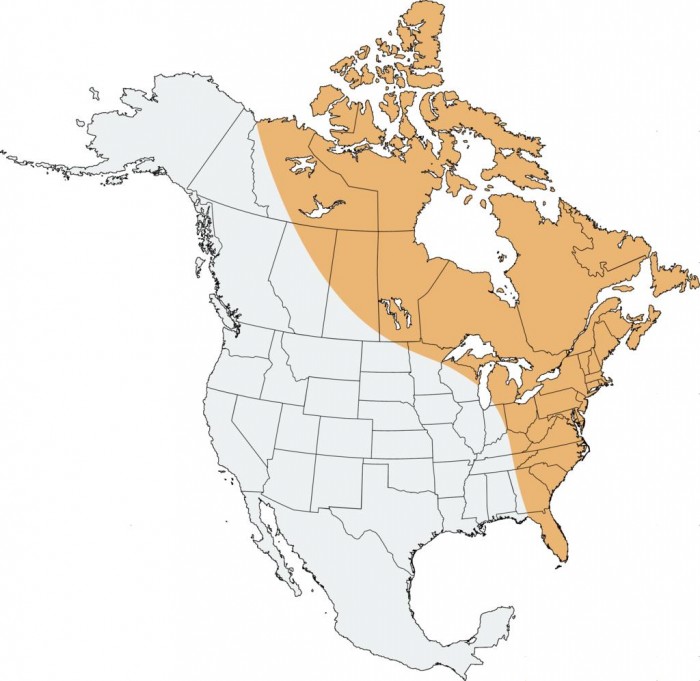
Used by:
- Snow goose
- Canada goose
- American black duck
- Canvasback
- Redhead
- Lesser scaup
- Greater scaup
Passionate about your environment?
Receive email updates from Ducks Unlimited Canada to learn how conservation work is helping Canada’s wildlife, wetlands and water.
We won't share your email with anyone. You can unsubscribe at any time.
Comments – add your voice!